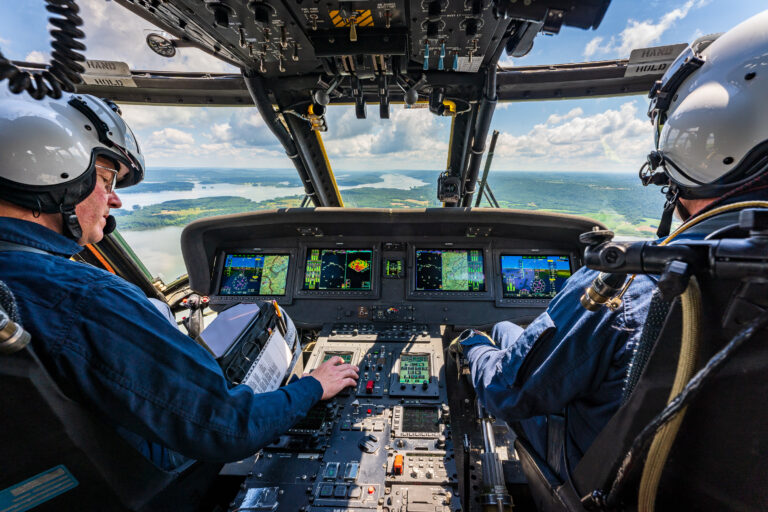
What began as a single CBT course has grown into a fully integrated training ecosystem used across the globe. Behind this transformation stands Grob Training Systems (GTS), and one of its key architects, Christoph van Eupen, who has led the department from its inception to its current AI-enhanced, data-driven form. In this interview, we trace the milestones that shaped GTS into a next-generation training solution.
FROM CBT TO ECOSYSTEM
Let’s start at the beginning, how did Grob Training Systems come to life?
At Grob Aircraft, my career began in 2013 as a content designer. At that time, the GTS department didn’t even exist. For ground training, there was only a G 120TP Cockpit Procedures Training (CPT) Simulator, which had been developed by another training systems provider.
My first project was to add a new product to the ground training systems by developing a G 120TP Computer Based Training (CBT) course. The goal was to provide our customers with a solid understanding of the G 120TP aircraft systems and flight training procedures.
As customer demand and workload increased, we made the decision to establish a dedicated department focused solely on ground training. That’s how the ‘Ground Based Training Systems’ (GBTS) department was formed, initially with just two people: one colleague responsible for the CPT simulator, and myself handling everything related to CBT development.
Over the years, both systems grew more sophisticated, which meant we had to expand our team. Our product portfolio also grew from two products to five. The customers responded very positively to our solutions, which encouraged us to continue expanding. Eventually, we renamed the department to ‘Grob Training Systems’ (GTS), which remains its name today.
Today, our team develops our own simulators and covers everything from image generation (IG) and electrical systems to sensor technology, flight models, related software, and all associated hardware and training applications.
How did GTS shift from individual products to a Total Training Solution?
Through customer enquiries, numerous trade fair visits, and continuous research, I kept analyzing industry trends and noticed a growing focus on XR and AI technologies. Up until that point, all our products were standalone and couldn’t communicate with each other.
It became clear from both industry trends and customer feedback that the market was moving toward more integrated and connected training systems. Recognizing this as a significant challenge, I coordinated efforts between our pilots and technical staff to combine our products into a unified training solution. The goal was to create a comprehensive training system, one that would integrate all our GTS products with the aircraft itself.
After evaluating various options, we concluded that the Evidence-Based Training approach would be the most suitable framework for this development. This allowed us to move beyond individual, isolated products and offer a Total Training Solution that connects all aspects of ground and flight training.
DATA-DRIVEN, AI-POWERED TRAINING
What is Competence-Based (Evidence-Based) Training, and how does GTS apply it in practice?
The concept involves using all available data generated by a student to recommend an individual training program. The process starts with the selection of suitable candidates; all results from the selection phase are incorporated to support an efficient entry into flight training. For example, if a student demonstrated lower performance in specific areas, the system immediately recommends targeted exercises to address those gaps.
This approach helps both students and instructors optimize individual training paths and monitor progress.
We have linked all our systems into one competency-based, evidence-driven concept into our Training Management System (TMS). Over the years, all our training products have been connected within the TMS, including the Pilot Selection and Evaluation System (PSES), computer-based training (CBT), simulators, and tools like eye-tracking. All of this information is combined to form a detailed trainee profile. This integrated data set enables the system to recommend targeted exercises, adapt training scenarios in real time, and guide instructors in making data-driven decisions for each student’s development.
GAMIFICATION FOR GEN Z
How is artificial intelligence being used within the GTS ecosystem?
AI is already shaping the future of flight training by making programs more adaptive and responsive to individual pilot needs. One example is the development of AI-generated missions, which can introduce new challenges in each scenario and require pilots to make real-time decisions. This technology has the potential to continuously challenge pilots and accelerate skill development.
At Grob, we apply AI in our Training Management System (TMS) to analyze training outcomes and recommend personalized next steps for trainees. We are currently exploring advanced applications in our research and development activities, such as voice and language processing or deeper performance analytics.
What role does gamification play in GTS, and why does it matter?
When discussing gamification in modern flight training, there are two important aspects to consider: the application of game-based methods, and the role of realistic immersion.
First, most new flight trainees today are under 30 and part of Gen Z, so they’re used to digital tools and gaming from a young age. That’s why bringing gamification into flight training, using features like challenges, scoring, and progress tracking, helps keep them engaged and makes the learning process more effective and familiar.
Second, the quality of realistic immersion, better graphics, higher performance, and realistic environments, also enhances the gamification effect. When trainees are highly immersed, they are more likely to internalize skills and respond naturally to real-world scenarios, making learning both engaging and effective.
For example, in our CBT system, we put trainees in realistic situations, like handling a generator failure in flight, where they have to use emergency procedures and make decisions to complete the mission. Our Evidence-Based Learning system also uses a scoring model, so trainees can see their competency scores and try to improve them over time. On top of that, we make sure our flight simulators are highly immersive, with realistic graphics and scenarios that feel close to actual flying.
Interview by: Katerina Urbanova
Photo credit: Jiří Sýkora, GROB AIRCRAFT SE
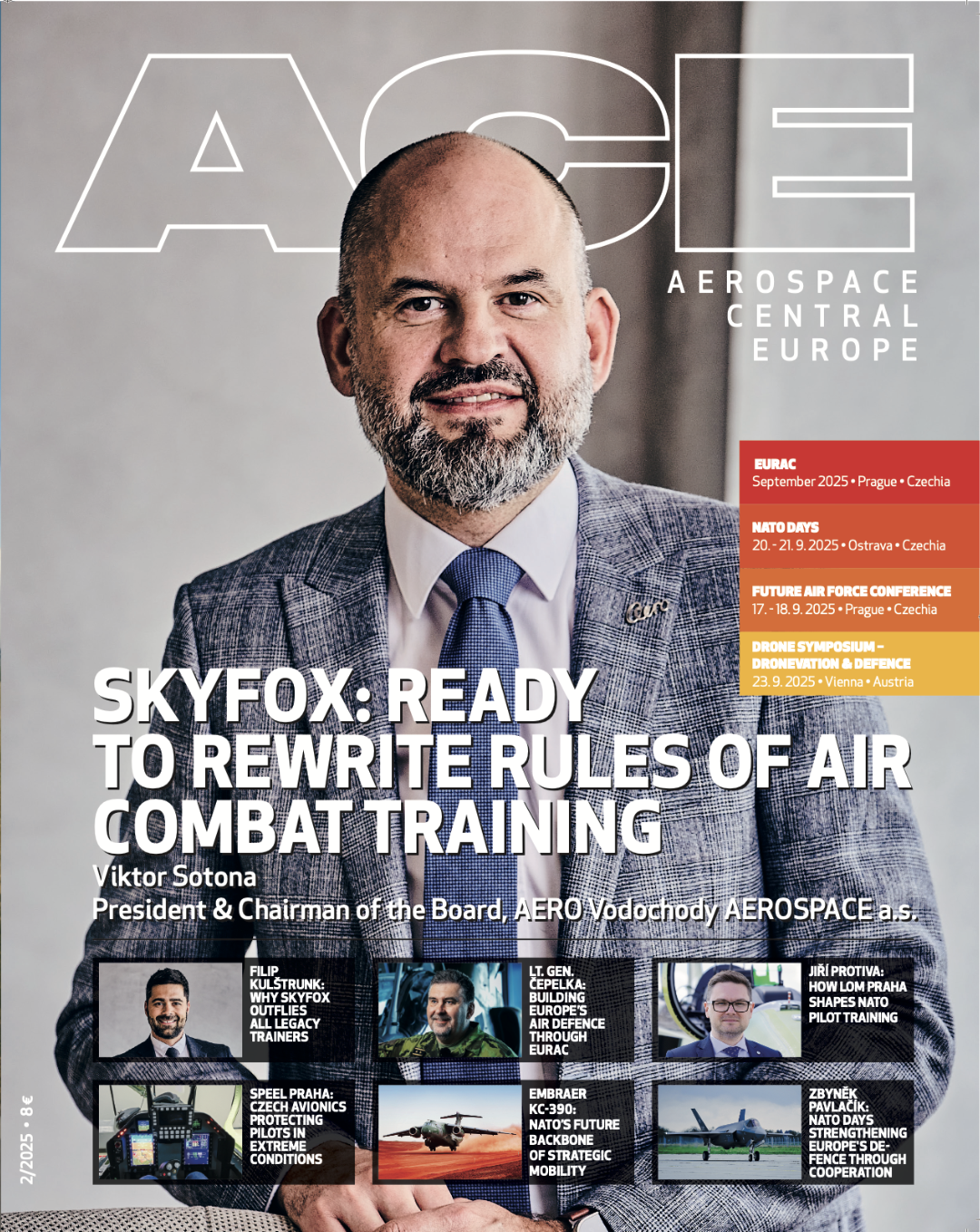
This interview with Christoph van Eupen was published in the second 2025 issue of ACE Magazine. As part of our editorial series on training and innovation, it highlights the evolution of Grob Training Systems into a global provider of AI-powered, data-driven pilot preparation solutions. The feature traces how GTS grew from a small team into a powerhouse shaping the future of aviation training.