M-346 PAN
Italy’s national aerobatic team is entering a new technological era. The introduction of the M-346 PAN marks not only the replacement of a long-serving aircraft fleet, but also a broader transformation of its training, engineering and operational environment.
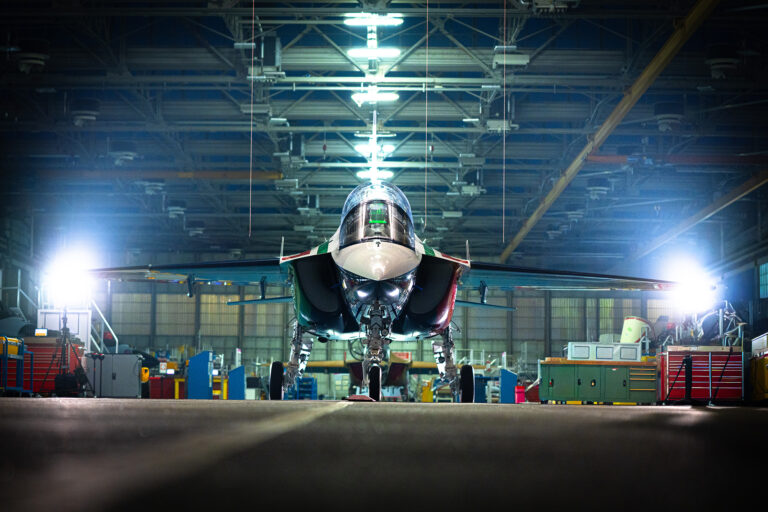
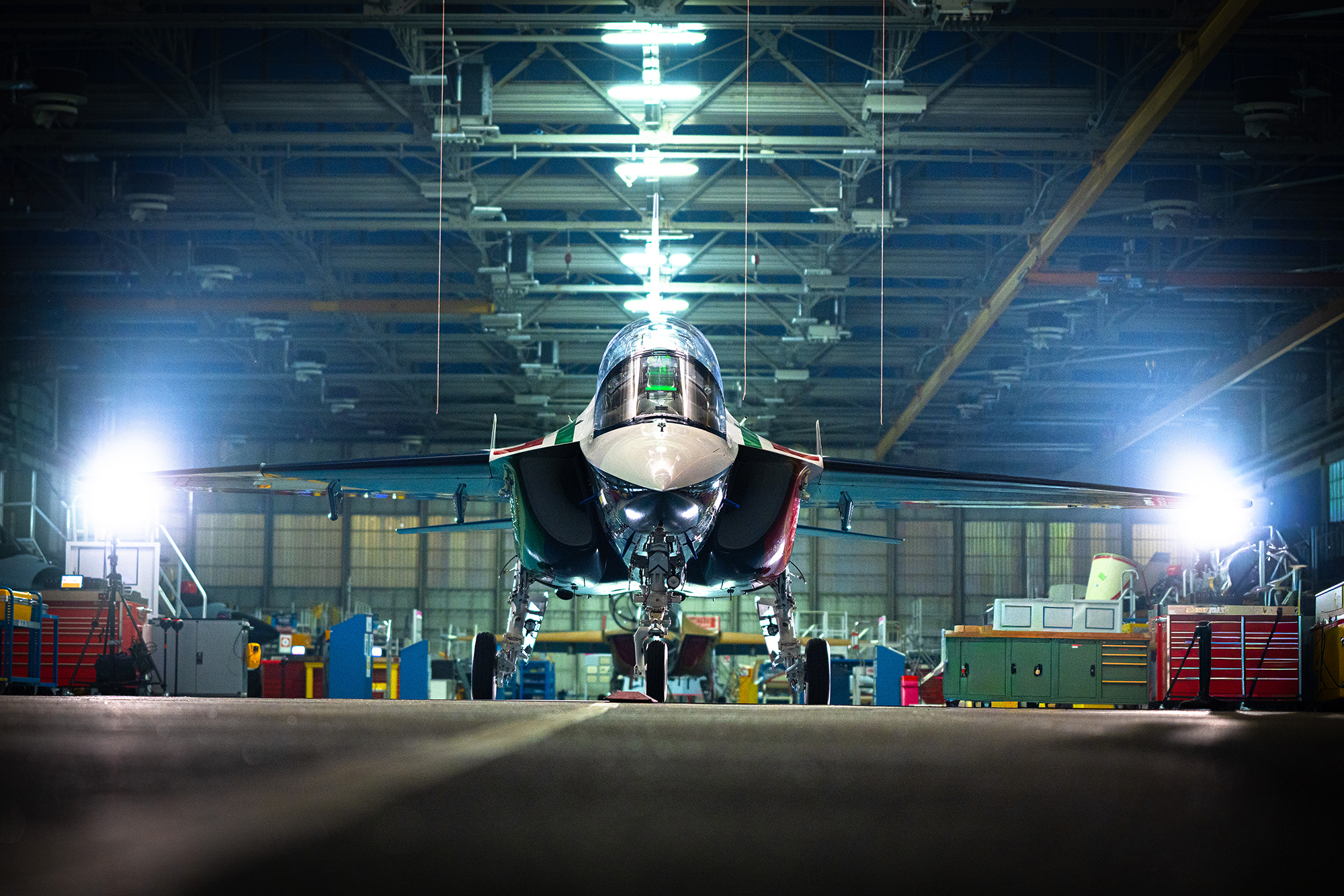
On 26 November 2026, Leonardo and the Italian Air Force officially unveiled the first M-346 PAN at Leonardo’s production facility in Venegono Superiore, northern Italy. The aircraft will succeed the Aermacchi MB-339 PAN, which has served with the Frecce Tricolori since 1982.
The programme comprises 15 aircraft, with production and deliveries scheduled between 2027 and 2028. According to Leonardo, the programme is progressing on schedule, with aircraft testing, personnel training and preparations for a new aerobatic display routine underway.
Engineering for a different mission
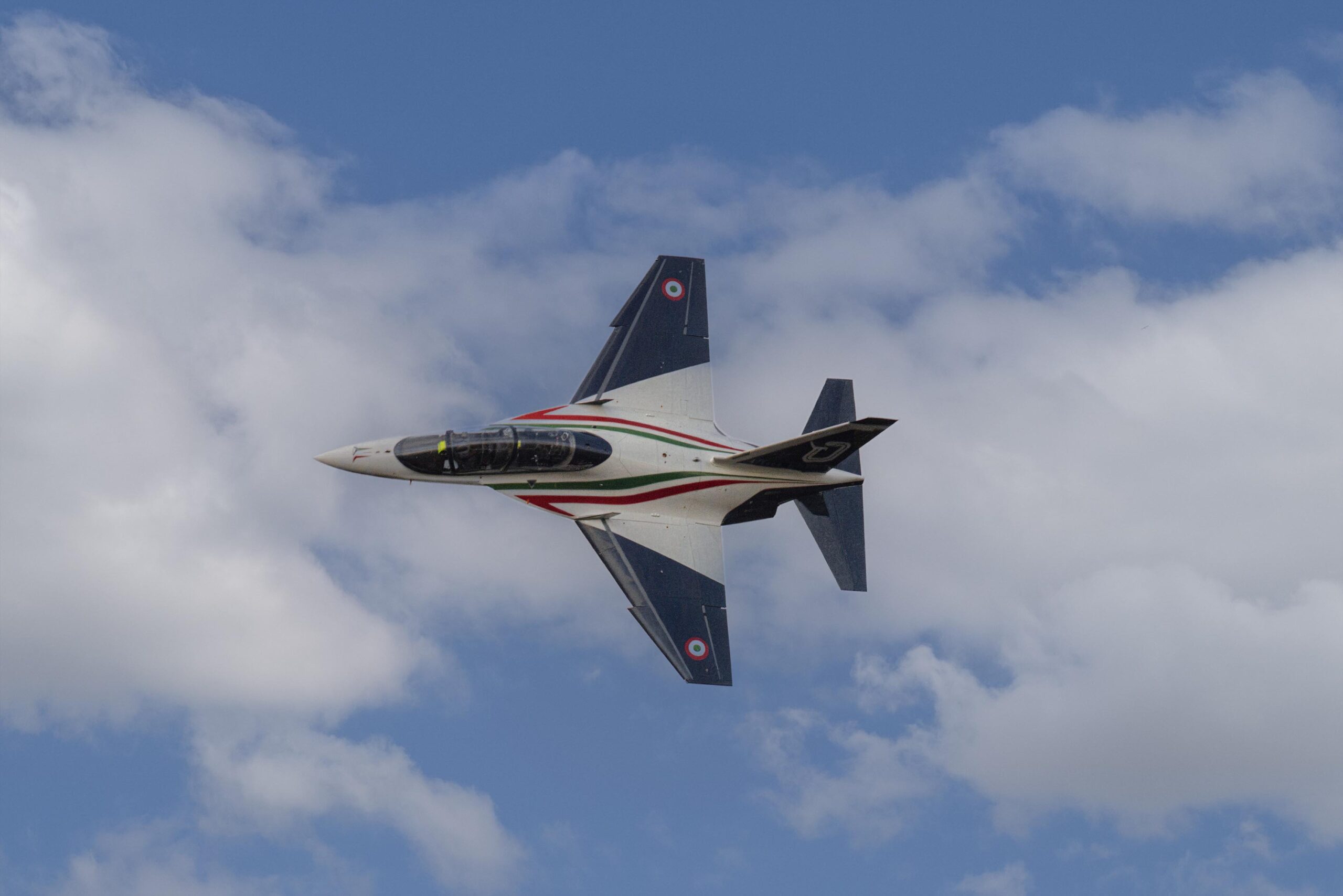
Derived from Leonardo’s twin-engine M-346 advanced jet trainer, the PAN variant retains the platform’s digital flight control architecture and advanced avionics while introducing modifications tailored to formation aerobatics.
These include:
- A dedicated smoke generation system.
- Specialised cockpit and avionics modifications.
- An aerobatic flight control mode with dedicated speed brake management.
- Four live-streaming cameras and four additional recording cameras.
- An integrated boarding ladder to support operations away from the team’s home base.
The aircraft also features a distinctive new livery designed by Italian design house Pininfarina.
The transition from the MB-339 to the M-346 will require more than adapting pilots to a different aircraft. Flight characteristics, energy management and formation references will need to be considered when developing the team’s future display programme.
More than a fleet replacement
The acquisition extends well beyond the delivery of new aircraft. It incorporates technical and logistical support, simulation capabilities, pilot and maintenance personnel training, and infrastructure modernisation at Rivolto Air Base, home of the Frecce Tricolori.
This comprehensive approach reflects a wider evolution in military aviation procurement, where the aircraft itself represents only one element of a broader capability encompassing training, sustainment and operational infrastructure.
For Leonardo, the programme also demonstrates the adaptability of the M-346 platform beyond its established advanced military training and light combat applications.
Industrial continuity and international visibility
The Frecce Tricolori’s evolution from the Fiat G.91 through the Aermacchi MB-339 to the Leonardo M-346 reflects decades of continuity within Italy’s aerospace industry.
For Leonardo, the international display circuit will provide a highly visible showcase for an aircraft already established in the global military training market. Although such exposure cannot be directly translated into future orders, it reinforces the visibility of Italian aerospace engineering among international military and industry audiences.
Ultimately, the M-346 PAN programme illustrates how an established military training platform can be adapted to a highly specialised operational requirement while preserving national industrial expertise and aviation heritage.
The next chapter of the Frecce Tricolori will therefore be about more than aerobatics. It will also be a demonstration of how tradition, engineering and modern military aviation technology can evolve together.
About the Author