As tensions simmer between the United States and its allies, a rising chorus of skepticism is emerging across Europe regarding the Lockheed Martin F-35 fighter jet. For years, the F-35 has been marketed as the pinnacle of modern air combat, boasting unmatched stealth capabilities and interoperability with NATO systems. Yet, recent political developments have cast a shadow over what was once considered the obvious choice for many European countries.
One of the most pressing issues is the fear of potential remote interference. Despite official denials from the Pentagon’s F-35 office about the existence of a ‘kill switch’ capable of disabling foreign-operated jets, the mere suggestion has sparked debates about the wisdom of relying on American-made defense systems. With growing concerns over political reliability and technological control, the idea of putting national security in the hands of a foreign power seems increasingly unappealing to many.
Canada, a NATO ally, recently announced a review of its F-35A procurement, questioning whether it should continue with the American platform. Canadian Prime Minister Mark Carney, amid a heated trade dispute with the U.S., has openly suggested that Ottawa might seek alternatives. This reconsideration is not without precedent—Canada has a history of halting and restarting its fighter modernization program, often in response to disagreements with U.S. policies.
Portugal’s Defense Minister Nuno Melo has also raised doubts about the wisdom of acquiring F-35s. While the decision was made by a previous administration, the fact that even an ally like Portugal is expressing hesitation speaks volumes about the shifting dynamics within NATO.
European governments are increasingly worried about the political leverage the U.S. could wield through its defense exports. Denmark, for example, is beginning to question its decision to procure 27 F-35s, particularly in light of former President Donald Trump’s remarks about annexing Greenland—a Danish territory with self-rule. Danish parliament member Rasmus Jarlov openly stated that buying American weapons is a security risk his country cannot afford to take. His warning echoes similar sentiments across Europe: relying too heavily on U.S. defense products could leave countries vulnerable to political coercion.
The ramifications of such concerns extend beyond Europe. The F-35 program, heavily dependent on international orders to supplement U.S. purchases, faces significant risks if countries start backing away from their commitments. The current U.S. administration’s aggressive trade policies and unpredictable foreign policy shifts have only added fuel to the fire.
As the debate continues, alternative platforms like the Saab Gripen and Eurofighter Typhoon are once again entering the conversation. Canada is reportedly considering options to locally assemble Gripens as part of a broader move to reduce dependency on U.S. hardware. European countries are also weighing their options, particularly those that could offer better industrial partnerships and less political entanglement.
While the F-35 remains a formidable fighter jet, the political and strategic implications of its acquisition are increasingly under scrutiny. As more European nations rethink their procurement strategies, the question remains: Can the F-35 maintain its dominant position, or is it destined to become another symbol of strained transatlantic relations?
Edited: KU
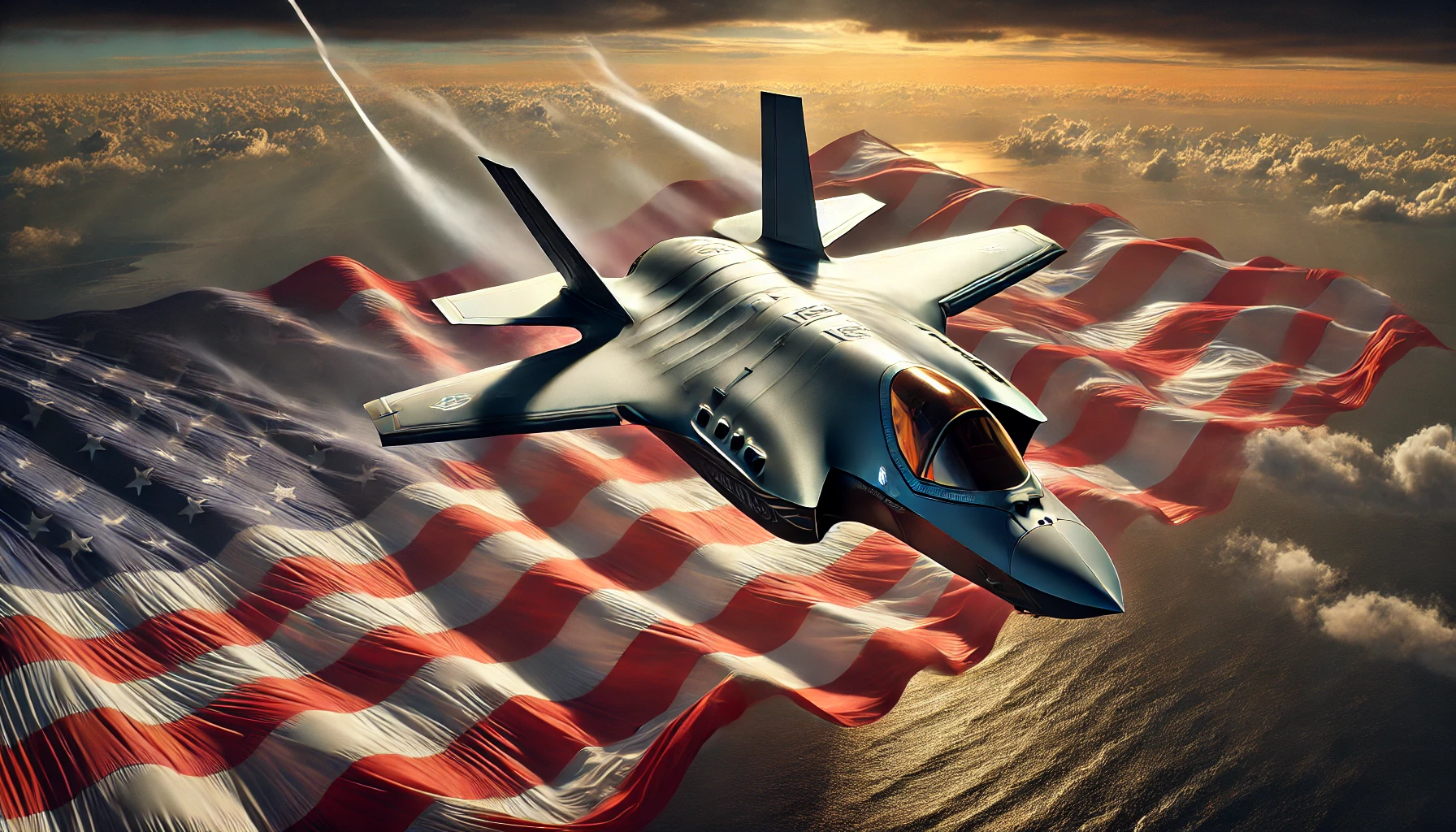
Photo credit: DALLE