How layered fleets and geopolitics are reshaping European air power
For decades, the structure of most European air forces followed a relatively simple logic: one primary combat aircraft, scaled across missions, supported by alliances for the rest.
That model is now breaking down.
Across Europe, a new paradigm is emerging, one that combines layered fleet structures with increasingly explicit geopolitical decision-making in procurement. The result is not just a shift in force design, but a redefinition of what airpower means in a contested and politically uncertain environment.
From standardization to layering
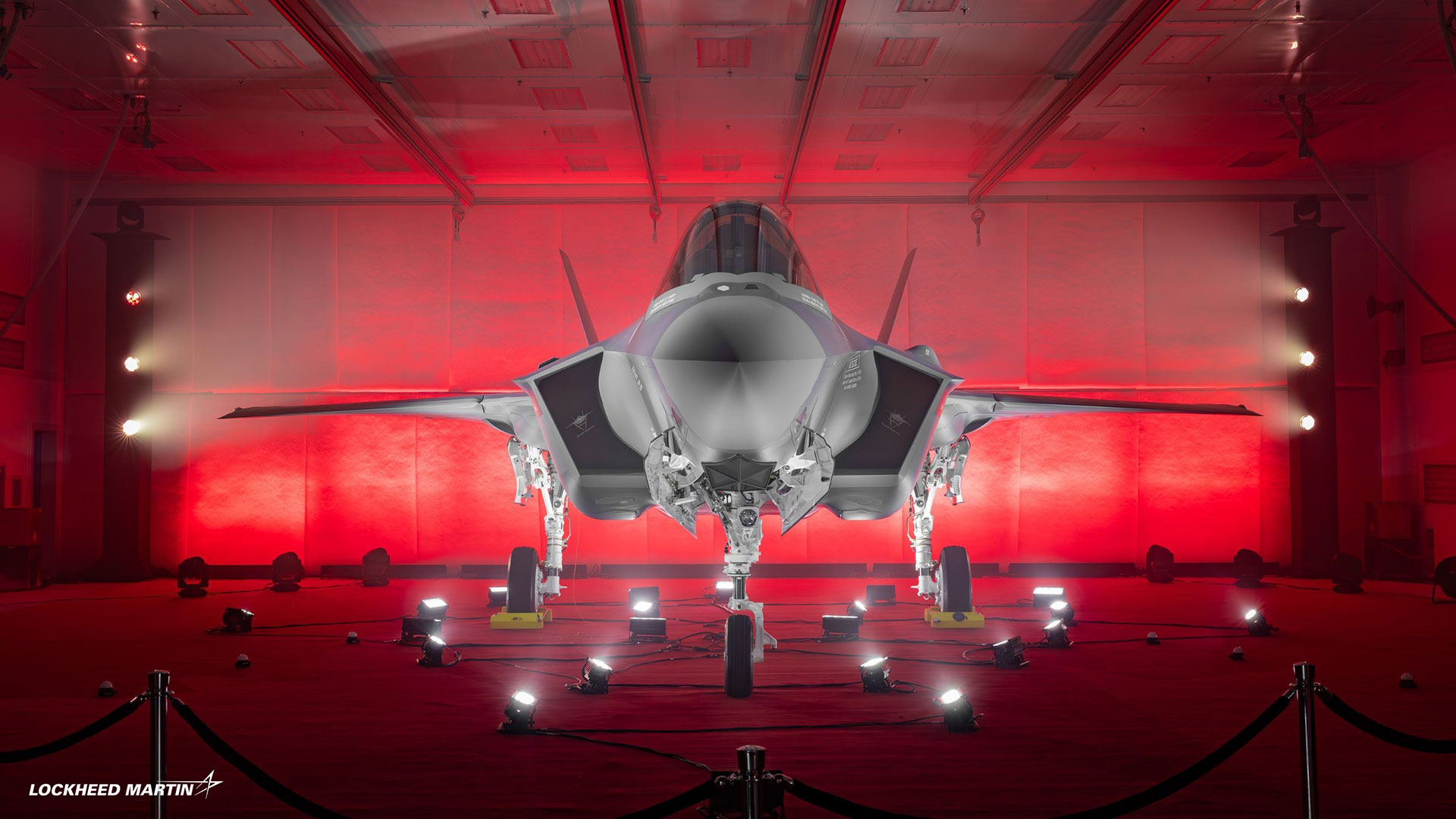
The rise of the F-35 was initially expected to reinforce standardization across NATO. Instead, it is accelerating a more complex outcome: a gradual move toward multi-platform air forces.
At the center of this shift is the emerging “second aircraft” logic.
In this model, high-end platforms such as the F-35 are retained for:
- high-threat environments
- deep strike and penetration missions
- network-centric operations
But they are increasingly complemented by a second, more flexible and cost-efficient platform tasked with:
- air policing
- routine deployments
- training and readiness generation
- lower-intensity missions
This is not a compromise. It is an optimization.
Several European countries are already moving in this direction, structuring their future forces around complementary capabilities rather than a single dominant platform.
Economics is driving structure
The shift is rooted as much in economics as in operational logic.
Fifth-generation aircraft bring unmatched capability, but also:
- high acquisition costs
- complex maintenance ecosystems
- dependence on external support structures
This creates a structural tension: the more capable the platform, the harder it becomes to scale and sustain.
Layered fleets resolve this by separating roles. High-end assets are preserved for critical missions, while more affordable platforms absorb operational tempo.
Air forces, in effect, are moving from a “one-size-fits-all” model to a portfolio approach to airpower.
Procurement as geopolitics
At the same time, procurement decisions are no longer neutral.
They have become explicit expressions of geopolitical positioning.
Portugal offers one of the clearest examples of this shift. As Defence Minister Nuno Melo put it:
“The world has changed… we have to take into account the geopolitical environment.”
This statement reflects a broader reality. The debate is no longer limited to performance or cost. It increasingly includes questions such as:
- Who controls software updates and mission data?
- Where is maintenance performed—and by whom?
- Can access to critical systems be restricted in a political crisis?
These are not technical considerations. They are strategic ones.
The United States continues to frame the discussion differently. In promoting the F-35, American officials emphasize that the platform ensures “interoperability with allies” and delivers the most advanced capability available.
This contrast captures a growing divide in procurement logic:
- integration and capability on one side
- sovereignty and control on the other
Industrial models as strategic choices
This shift is reinforced by the growing importance of industrial participation.
Programs are no longer judged solely by what they deliver in operational terms, but also by what they enable domestically.
The Brazilian Gripen program provides a clear example. Through its partnership with Embraer, Saab established local production, transferred know-how, and embedded the aircraft into a national industrial ecosystem.
This demonstrates that industrial participation is no longer a theoretical promise, but a scalable model of capability development.
For European countries, this has direct implications. Procurement is becoming a tool not just for acquiring platforms, but for shaping industrial capacity and long-term technological autonomy.
The new strategic trade-off
The result is a fundamental strategic choice between three models:
- Integration: deep alignment with U.S. systems, maximizing interoperability but increasing dependence
- Autonomy: European or independent solutions, preserving control but potentially sacrificing scale
- Hybridization: combining platforms and suppliers to balance both
The rise of layered fleets fits naturally into the third model.
By operating multiple platforms across different ecosystems, countries can:
- reduce single-point dependencies
- maintain operational flexibility
- hedge against political risk
As a result, complexity—once seen as a drawback—is becoming a strategic asset.
Conclusion
European air forces are not simply modernizing. They are redesigning themselves.
The shift toward multi-platform structures reflects a deeper reality: no single aircraft can efficiently cover the full spectrum of missions in today’s environment.
At the same time, procurement has become inseparable from geopolitics. Every acquisition now encodes a strategic choice about dependence, control, and alignment.
The question is no longer which aircraft is best.
It is who controls it, who sustains it, and who can deny it.
The age of the single-platform air force is ending.
What comes next is not simpler—but it may be far more resilient.
About the Author