Europe is at a crossroads. The golden era of peace dividends is over, and many countries are now adjusting their defensive posture and modernizing their defense capabilities. This was one of the key takeaways from the 2025 edition of the Paris Air Show at Le Bourget.
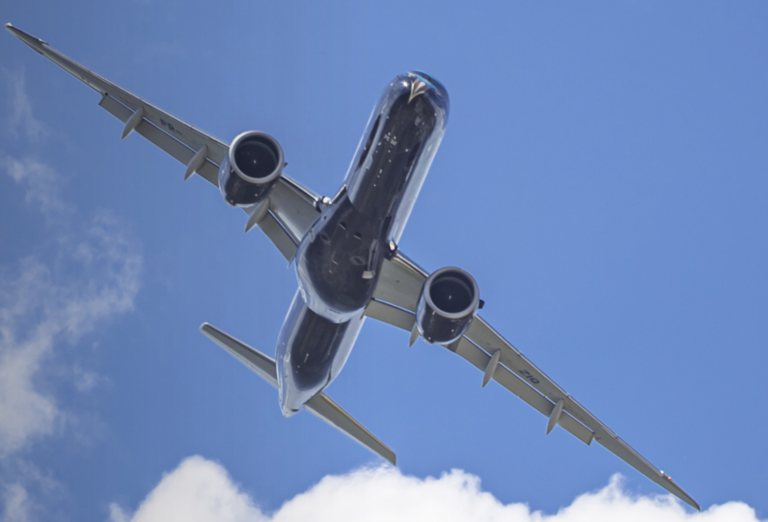
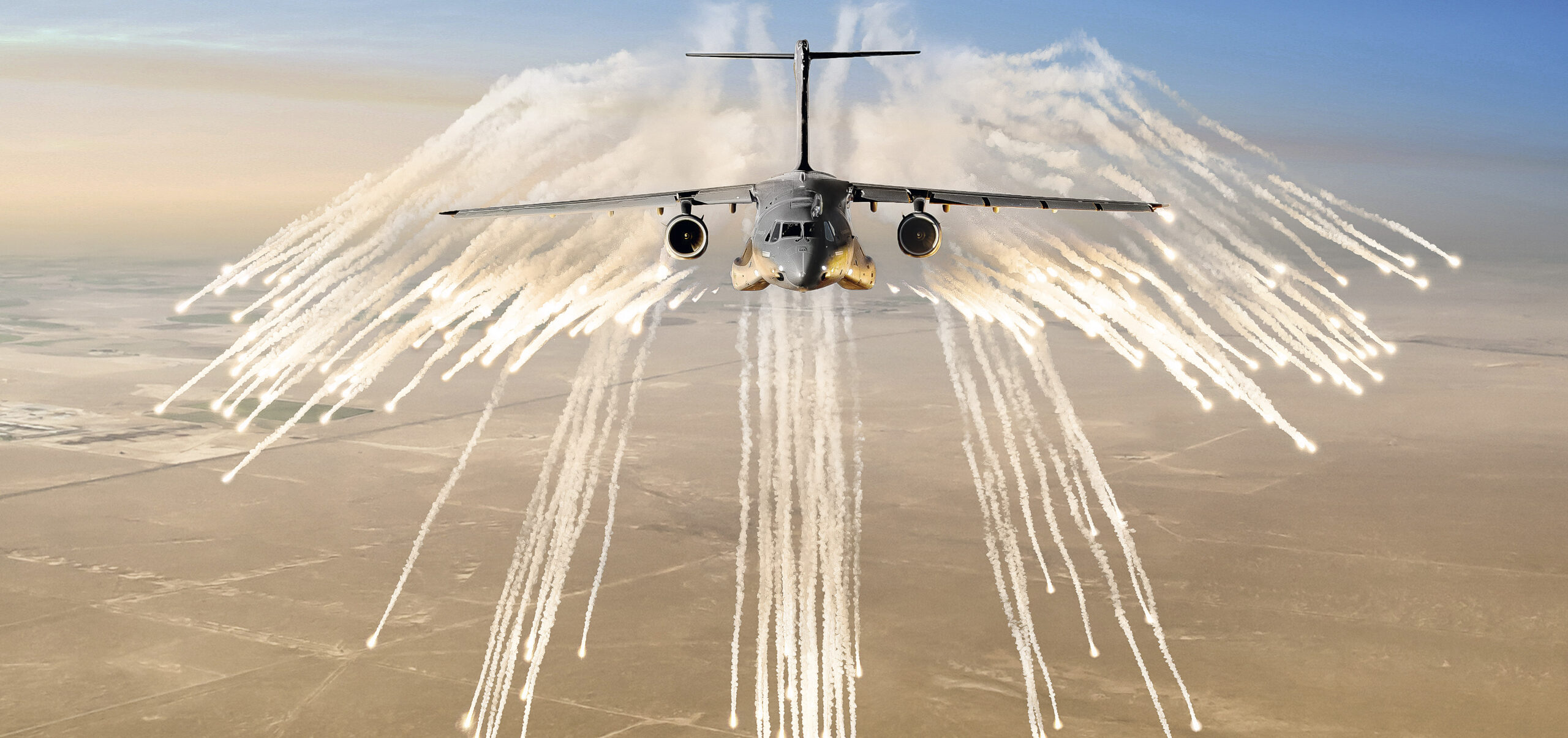
The KC-390 Millennium is the aircraft of choice to meet Europe’s new operational challenges. Since entering service in 2019 in Brazil, and later in Portugal and Hungary, the aircraft has consistently demonstrated its versatility, adaptability, ease of use, and low operating costs. These qualities have made this new-generation aircraft from Embraer one of the stars of the Paris Air Show.
Portugal Orders a Sixth KC-390 – A Clear Signal in Europe
During the show, the Portuguese government confirmed its acquisition of a sixth KC-390. More than just a procurement, it is a declaration. Portugal will also offer ten purchase options to other NATO members through government-to-government channels. This is not just clever politics—it is strategic architecture. By creating a shared acquisition framework, Portugal offers its allies a pathway to interoperability and industrial cooperation.
The aircraft’s performance speaks for itself: a mission completion rate above 99%, a payload capacity of 26 tons, and the flexibility to operate from unpaved runways. But the larger point is this: the KC-390 is not only ready for the world as it is—it is prepared for the world as it may become.
Lithuania’s Choice: A Baltic Horizon
On the second day of the show, Lithuania announced that it had selected the C-390 Millennium as its future transport platform. Lithuania’s decision was not driven by novelty but by a detailed evaluation of all available market solutions. For Lithuania, the C-390 Millennium is the ideal aircraft to fulfill its operational needs while enhancing military readiness and interoperability with NATO allies.
The C-390 Millennium and its tanker variant, the KC-390, are versatile transport aircraft that meet the strictest NATO standards—and go even further. Equipped with advanced avionics, including Link 16, HF/V/UHF communications, SATCOM, and the latest standard IFF, the aircraft can seamlessly operate in coordination with NATO’s C4ISR and AEW (Airborne Early Warning and Control) systems, as well as with combat aircraft such as the F-35, F-15, F-16, Rafale, Eurofighter, Mirage 2000, F/A-18E/F, and JAS 39 Gripen. In doing so, it becomes a true flying communications hub.
The forthcoming deal with Lithuania also includes industrial cooperation, covering maintenance, repair, parts co-production, and technology partnerships to be developed within Lithuania.
The Netherlands: Taking Capability Further
The Royal Netherlands Air Force, already a committed buyer of the C-390, used the Paris Air Show to unveil something radically new: a roll-on/roll-off aeromedical module capable of turning any C-390 into a flying intensive care unit. This system is not conceptual—it is real, modular, and field-ready. It enables the treatment of patients requiring full life support, even in contagious environments, while protecting both crew and caregivers.
That a transport aircraft can be converted within hours from a cargo hauler into a mobile hospital speaks volumes about the design philosophy behind the C-390. It is not a platform built to excel in a single role—it is a multi-mission tool for uncertain futures.
A Platform in Flight, A Message in the Air
On the Sunday before the show opened, Embraer offered a demonstration flight to members of the press. It wasn’t a theatrical gesture but rather an intimate opportunity to feel how the aircraft performs in the air.
During the week, dozens of delegations from around the globe visited the stand, walked the ramp, and observed the aircraft in motion. What they witnessed was a machine built not for air shows but for 21st-century missions in contested environments, humanitarian aid, disaster response, and the urgent demands of medical evacuation.
It is a flying Swiss Army knife—capable of refueling other aircraft, dropping cargo on improvised runways, carrying troops, patients, or supplies depending on the mission. It may not be the most beautiful aircraft at Le Bourget, but it might well be the most necessary.
The Super Tucano at 600,000 Hours
Alongside the momentum of the C-390, Embraer celebrated another milestone. The A-29 Super Tucano surpassed 600,000 flight hours—an achievement not only of engineering but of enduring operational relevance.
With over 290 aircraft ordered and 22 air forces served, the Super Tucano is a rare machine that has adapted to every conflict, every climate, and every budget.
The NATO-interoperable A-29N variant, recently acquired by Portugal, highlights how Embraer continues to refine its platforms to meet alliance requirements—offering Western avionics and secure communications while maintaining rugged performance. In an era where cost-efficiency often means compromise, the A-29 remains unapologetically capable.
Toward a New Geography of Airpower
Embraer’s outstanding success at Paris is not simply the story of one aircraft—it is the story of a company that understands airpower today is not about domination but about versatility, interoperability, and adaptability.
The nations choosing the C-390 are not chasing prestige. They are choosing a reliable, affordable, and versatile tool that allows them to respond to crises they cannot yet predict.
Online Version edited by: Katerina Urbanova
Photo credit: Embraer
About the Author