Norse Atlantic Airways reported a 96.9% load factor in September 2026 and a 35% year-on-year increase in unit revenue, figures that would normally suggest an airline performing exceptionally well. Yet the Norwegian long-haul carrier is deliberately flying less, shifting aircraft toward ACMI and charter operations and evaluating its strategic future. The reason illustrates one of aviation’s oldest problems: full aircraft do not necessarily mean profitable aircraft — particularly when fuel prices rise sharply.
Norse carried fewer passengers despite almost full aircraft
Norse transported 109,202 passengers across its scheduled network and ACMI and charter operations in September.
That was 32% fewer than the 161,568 passengers carried a year earlier.
Yet load factor increased from 95.2% to 96.9%.
The explanation is capacity.
Norse operated only 211 flights within its own scheduled network during September, compared with 459 a year earlier. Meanwhile, ACMI and charter activity increased sharply from 66 to 177 flights.
The airline is deliberately reducing exposure to parts of its scheduled long-haul network while deploying more aircraft through alternative arrangements.
Revenue performance is improving
There is another apparently contradictory number.
Total revenue per available seat kilometre, or TRASK, in Norse’s own network reached 5.8 US cents, up 35% from 4.3 cents a year earlier.
For 2026 to date, unit revenue is running approximately 25% above last year.
Norse therefore appears to be doing a substantially better job of generating revenue from the capacity it actually deploys.
But that improvement comes against a much tougher cost environment.
Fuel changes the equation
Norse says prolonged high fuel prices are one of the main reasons it continues to operate reduced capacity.
The airline is particularly exposed because it does not hedge its fuel requirements.
Reuters reports that jet fuel prices have more than doubled since the beginning of the Iran war, putting pressure on margins across the airline industry and particularly on smaller carriers with less financial protection against sudden increases in operating costs.
CEO Eivind Roald says Norse will continue optimising fleet allocation while placing greater emphasis on Far East bookings.
The carrier is also pursuing additional charter and ACMI opportunities.
From low-cost transatlantic airline to flexible 787 operator?
That evolution is potentially more important than September’s traffic statistics.
Norse was founded in 2021 around the idea of affordable long-haul flying, particularly between Europe and the United States.
Its business is increasingly becoming more diversified.
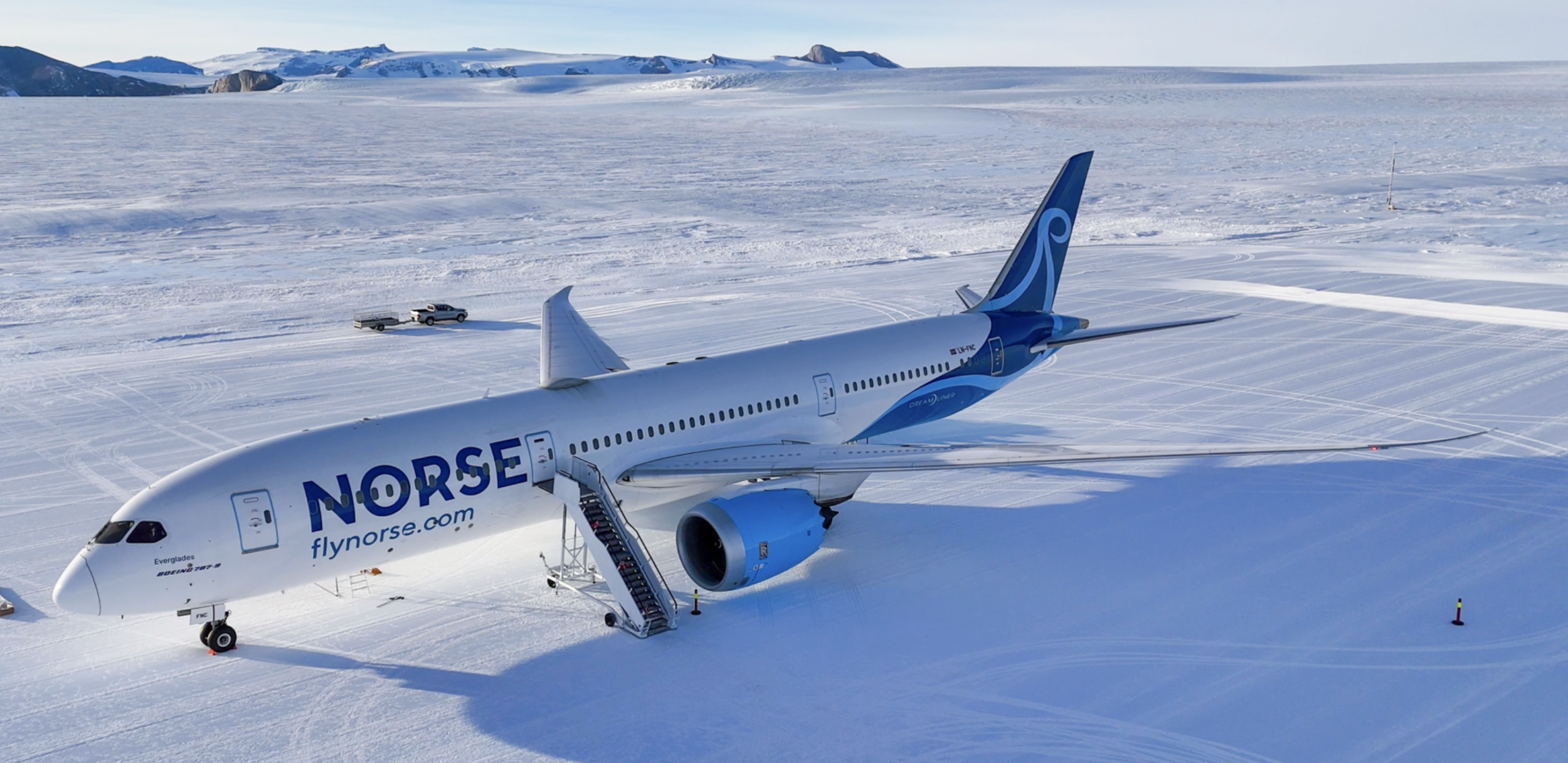
The airline operates a fleet of 12 Boeing 787 Dreamliners and has substantially reduced its own scheduled US network. It is simultaneously increasing ACMI and charter activity and examining additional fleet-placement opportunities.
Norse also launched a formal process in July to explore a possible sale or merger.
Reuters reports that the airline is discussing leasing opportunities involving Boeing 787s due to return from IndiGo at the end of October.
Full aircraft do not guarantee a sustainable airline
Norse’s September numbers demonstrate why load factor alone is a poor measure of an airline’s financial health.
A 96.9% load factor is impressive. A 35% improvement in unit revenue is equally significant.
But an airline ultimately has to sell each seat at a price sufficient to cover fuel, aircraft, crews, maintenance, airports, financing and overheads.
Norse’s market value has fallen approximately 92% during 2026 as investors question the sustainability of its business model under current conditions.
The airline is therefore simultaneously improving the economics of the flights it operates and reconsidering how much scheduled flying it should operate itself.
What’s next?
Three things are now worth watching.
Norse needs to decide how much of its Boeing 787 fleet should remain in its own scheduled network and how much can generate more predictable returns through ACMI and charter contracts.
The company must also navigate a fuel-price environment to which it remains unusually exposed.
And above all, the formal strategic process launched in July could ultimately result in a sale, merger or substantially different business model.
For Norse Atlantic, September produced an extraordinary statistic: 96.9% of available seats were filled.
The bigger question is whether the airline can turn those full aircraft into a sustainable long-haul business.
This article was edited with the assistance of artificial intelligence and reviewed by the Aerospace Central Europe editorial team.
Source: Norse Atlantic Airways
About the Author