GCAP Power and Propulsion System
Berlin’s ambitions to join the Global Combat Air Programme face resistance from Italy and Japan, raising new questions about Europe’s future combat aircraft development and industrial cooperation.
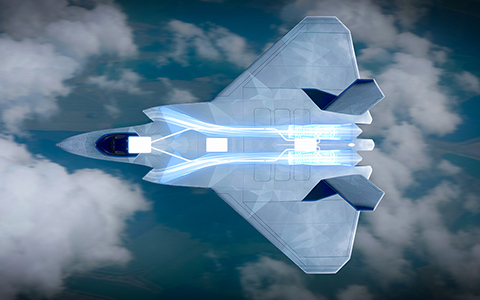
Italy has opposed Germany’s potential entry as a full partner in the Global Combat Air Programme (GCAP), the multinational effort to develop a sixth-generation combat aircraft by 2035.
According to the Financial Times, Italian Defence Minister Guido Crosetto proposed that Germany be granted observer status rather than full membership during discussions with British and Japanese counterparts this week.
The proposal would allow Berlin to follow the programme but exclude German industry from direct participation in aircraft design and development.
Germany considers such an arrangement unacceptable, seeking a substantial industrial role in return for its financial contribution.
Industrial Interests at Stake
GCAP is currently being developed by the United Kingdom, Italy and Japan, with BAE Systems, Leonardo and Mitsubishi Heavy Industries leading industrial activities.
Germany’s participation could bring significant additional funding, technological expertise and potential aircraft orders. However, both Italy and Japan are concerned that introducing another major industrial partner could complicate work-sharing arrangements and delay the programme’s ambitious 2035 schedule.
The disagreement comes after the collapse of the Franco-German fighter aircraft component of the Future Combat Air System (FCAS) programme earlier this year, following prolonged disputes over industrial responsibilities.
Berlin is now exploring alternative routes to developing its next-generation combat aviation capabilities, including possible cooperation with Sweden and Saab.
German Defence Minister Boris Pistorius has indicated that a decision on the country’s future fighter development strategy is expected by the end of March 2027.
Europe’s Fighter Industry at a Crossroads
The dispute highlights a fundamental challenge facing European combat aircraft programmes: balancing national industrial interests with the need to share development costs and maintain technological competitiveness.
While GCAP remains committed to delivering its next-generation fighter by 2035, the question of Germany’s participation is far from settled.
For Europe’s aerospace industry, the outcome could influence not only the future of GCAP, but also the structure of multinational combat aircraft cooperation for decades to come.
About the Author