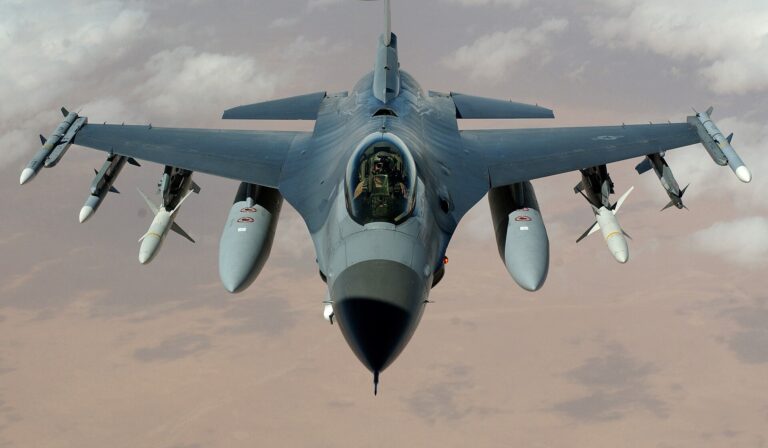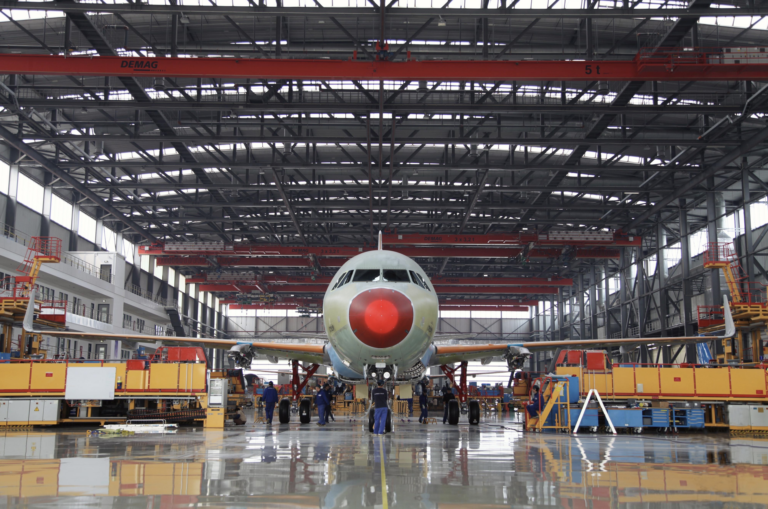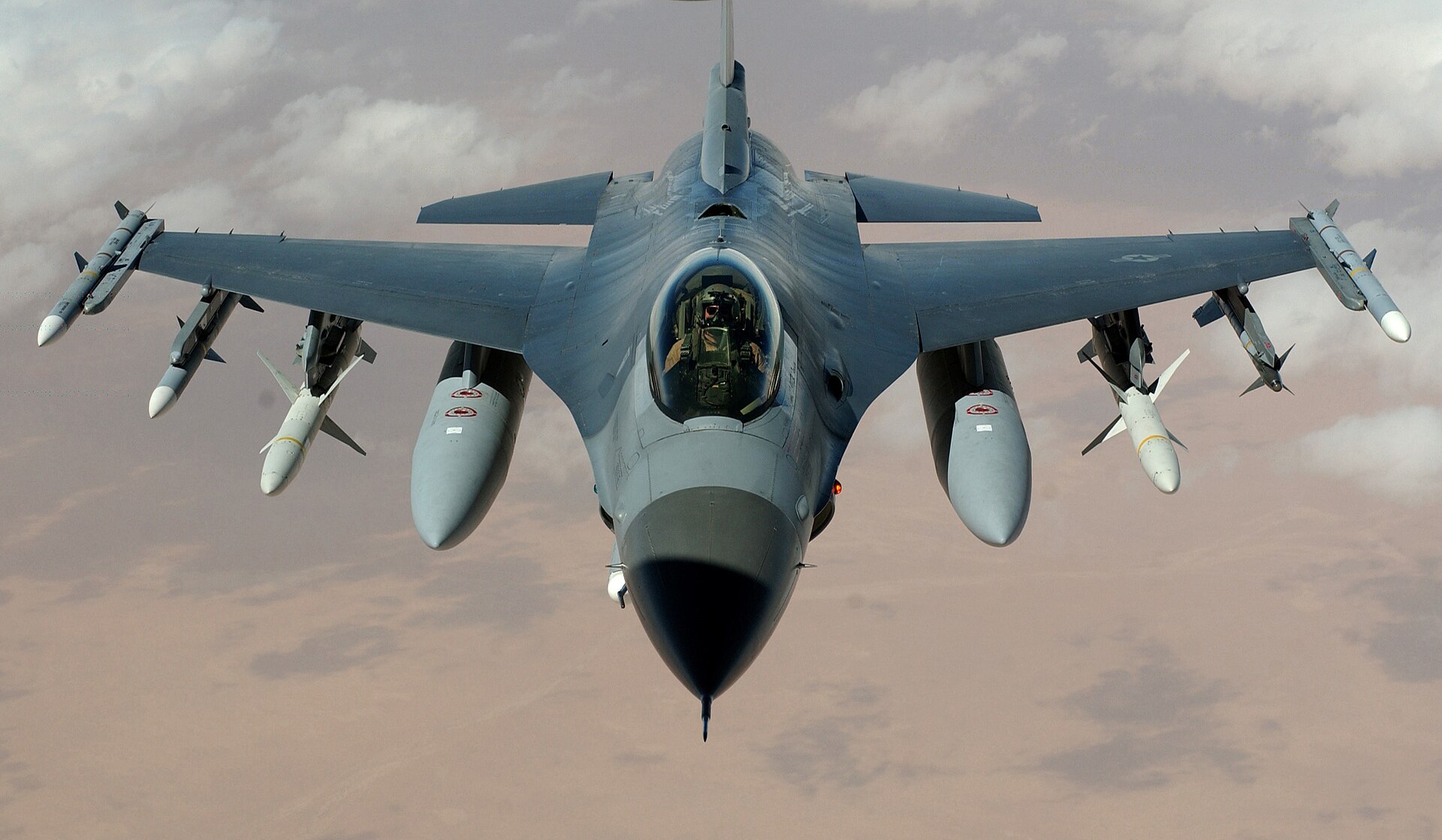
Photo: U.S. Air Force / Staff Sgt. Cherie A. Thurlby, via Wikimedia Commons (Public Domain). Illustrative image; no endorsement implied.
Sending military aircraft safety-equipment components to a distant repair facility can increase transport costs and extend turnaround. Where an appropriately authorized regional option exists, procurement teams can compare its total cost with OEM or centralized support.
Equipment manufacturers’ authorized-service networks, repair-station capability lists and military operators’ supplier-qualification resources can help procurement teams build a shortlist. But proximity alone does not establish affordability. Examples across Europe, the U.S. and Asia illustrate how repair capability, parts availability and logistics can shape the total cost of support.
What Regional Repair and Parts Support Includes
Regional defense aviation component repair services can support operators in four ways:
- Repairing and overhauling components near the aircraft’s operating base.
- Stocking replacement parts locally may reduce waits for cross-border shipments.
- Supplying temporary or exchange units may limit aircraft downtime.
- Inspecting and testing equipment locally may reduce shipping needs.
The scope covers safety equipment components, excluding aircraft structure and systems maintenance and local manufacture of every part. Cost comparisons should account for repair and parts pricing, shipping and handling, inventory needs, labor, turnaround and downtime.
How Is Central Europe Building Regional Repair Capability?
In September 2024, Military Aviation Works No. 2 and Martin-Baker Aircraft Company signed an ejection-seat operational support agreement covering Polish Air Force equipment. It set out long-term cooperation in maintenance, repair and overhaul, with plans to jointly pursue the wider European maintenance market.
For procurement teams, this demonstrates how manufacturers and regional providers can work together to develop component support closer to operators. Such capability may help reduce shipping and handling costs and shorten turnaround by limiting long-distance transfers.
How Can Parts Availability Reduce Maintenance Delays?
While the Polish agreement focuses on developing regional capability, SK AeroSafety Group illustrates an established commercial aviation network. The company reports 18 service centers worldwide, including London, Amsterdam and Paris, servicing oxygen systems, extinguishers, evacuation slides, life rafts and other emergency equipment.
Its scale combines repair capacity with parts support. SK AeroSafety Group reports completing more than 80,000 repair jobs in 2024 and achieving a 10-day average global turnaround. It also reports managing an inventory of more than 500,000 spare parts worldwide.
Its Maintenance-by-Month program uses fixed monthly fees and advertises guaranteed component availability, subject to program terms. The group offers exchange units alongside collection and delivery services. For procurement teams, this highlights the value of evaluating repair capacity and replacement stock together.
A nearby repair center may offer limited benefit if the required parts remain unavailable. Compare quoted turnaround with stock availability and exchange terms, while checking that the provider’s authorized capabilities meet your military component requirements.
Why Should Procurement Teams Verify Component-Level Authorization?
Specialized stations can provide regional support by concentrating on defined categories of safety-equipment component work. Procurement teams may start by matching those capabilities to the components requiring service.
In practice, that means looking for providers whose approvals and tooling align with the specific safety-equipment category. HRD Aero Systems holds Federal Aviation Administration (FAA) Part 145 and European Union Aviation Safety Agency approval for servicing fire suppression, oxygen and inflatable equipment. Its work focuses on safety-equipment components rather than maintenance of the aircraft itself.
General repair-station certification alone does not establish authorization for every component or service. For military applications, procurement teams should also confirm that the facility, component capability and release documentation satisfy the operator’s applicable military airworthiness and contract requirements.
Within fire protection, HRD Aero Systems inspects, repairs and overhauls portable Halon 1211 units, fixed Halon 1301 systems and water extinguishers. Scheduled servicing creates recurring logistics needs. Retest and servicing intervals depend on the cylinder specification, applicable requirements and manufacturer’s instructions. HRD’s service guidance describes a general five-year hydrostatic retest interval for hermetically sealed and frangible bottles. It notes that portable extinguishers typically follow six-year OEM maintenance schedules.
A qualified regional station may reduce shipping costs and transit time whenever that work comes due. Comparing those recurring expenses alongside repair quotes provides a fuller basis for assessing affordability, with actual maintenance schedules governed by applicable technical instructions and cylinder requirements.
How Are Asian MRO Networks Bringing Support Closer to Operators?
In Asia, manufacturers are partnering with local repair facilities and distributors to bring parts and servicing closer to operators. Two commercial aviation agreements illustrate this approach.
Aircraft maintenance provider HAECO partnered with safety-equipment manufacturer Safran Aerosystems to develop regional repair capability for C919 evacuation slides. Its Asia Pacific licensing agreement covers China and the wider region. Safran provides the spare parts, tools, test equipment, training and technical documentation to help HAECO establish the service.
Parts distribution can complement local repair capacity. Aviation distributor Topcast secured exclusive distribution of AmSafe restraints for commercial aircraft across mainland China, Hong Kong, Macau and Taiwan, covering spare parts, logistics and inventory management.
Under a separate authorization, Topcast’s Shanghai AML Aviation Technologies facility provides repair and overhaul support for AmSafe products. The arrangement aims to improve turnaround time and local technical assistance, as well as reduce logistics costs.
For your procurement assessment, check where a distributor holds stock and where authorized repairs occur. Having both available regionally may help reduce shipping distances and waiting time, subject to the approvals required for your military equipment.
Frequently Asked Questions About Military Aircraft Safety Equipment MRO
Evaluating regional maintenance options involves comparing costs, available services and repair-station authorizations.
How to reduce costs on military aircraft safety equipment maintenance?
Evaluate repair pricing alongside shipping and handling, inventory, labor, turnaround and downtime. Qualified repair facilities, replacement stock and exchange arrangements closer to the operating base may help reduce transport expenses and waiting time across recurring service cycles.
What does regional support include for safety equipment maintenance?
It includes component-level repair and overhaul, parts availability, exchange or inventory arrangements and inspection capability. Aircraft maintenance and local manufacture of every part fall outside this framework.
What authorizations should procurement teams verify?
For FAA-regulated repair work, confirm that the station’s authorized scope covers the component and service required. Certification alone does not establish safety-equipment specialization or authorization to maintain the aircraft itself. For military work, also verify that the provider meets the operator’s applicable military airworthiness and contract requirements.
Reducing MRO Costs Through Regional Component Support
Finding affordable maintenance providers for military aircraft safety equipment starts by identifying qualified options near your operating base. Central Europe is developing regional capability, Western Europe combines scale with parts availability, the U.S. offers focused specialization and Asia connects distribution with local support.
When comparing providers, look at where your equipment will be serviced, whether replacement stock is available and how long the work will take. Consider quoted pricing alongside shipping, handling, labor and potential downtime to assess the full cost of each maintenance cycle.
About the Author