The aviation sector is undergoing one of its most dynamic periods in recent years, shaped not only by tightening insurance market conditions but also by structural pressures across the industry. In this environment, the ability to attract and retain qualified pilots has become a strategic priority for airlines and operators worldwide. Enhanced insurance benefits are now among the most effective tools for strengthening pilot retention, supporting workforce stability, and enabling sustainable long-term sector development.
FROM SOFTENING TO SHOCK:
HOW THE INSURANCE MARKET TURNED IN 2025

In 2024, reductions in insurance rates were still very much “on the table”. This situation changed in 2025 due to a series of major losses that occurred at the end of 2024 and continued into early 2025. The number of catastrophic events resulted in substantial claims, and by mid 2025 overall market loss estimates had already exceeded annual premium levels.
The situation further escalated following the total loss incident involving UPS Airlines on 4 November 2025 (note: the aircraft suffered the separation of its left engine during take off and crashed into an industrial area seconds after becoming airborne).
This event had a significant impact on the entire insurance market. Insurance brokers were able to negotiate effective long term structures within clients’ programmes, helping them transition safely into the upcoming insurance period with minimal changes in premium levels. This approach proved far more beneficial than placing risks on the open market, where clients would have faced sharp rate increases and potential alterations to their insurance terms.
Although rates were rising, the availability of substantial insurance capacity meant that insurers were not in a position to push clients into accepting unfavourable conditions.
WHAT’S AHEAD FOR AVIATION INSURANCE IN 2026? TRENDS TO WATCH
Although the beginning of the year is usually a little “slow”, the outlook for 2026 is expected to follow the trajectory established in 2025. We are likely to see another increase in technical “all-risks” rates, while hull war rates are expected to continue softening. Naturally, outcomes may differ depending on geographical regions and liability regimes.
THE HIDDEN FORCES BEHIND TODAY’S AVIATION CLAIMS INFLATION
Over the past five years, the cost of aircraft engine repairs has increased dramatically, placing growing financial pressure on airlines and maintenance organisations. These price rises have gone far beyond general inflation or the expected impact of gradual technological improvements. In addition, the industry continues to face a complex combination of material shortages, regulatory and competitive shifts in the maintenance market, and evolving requirements for highly specialised technical expertise.
Another major factor driving costs upward is the continued shortage of skilled technical personnel. Modern aircraft engines require maintenance specialists with advanced training and substantial experience, yet developing such expertise takes considerable time. This shortage further contributes to extended turnaround times and increased overall repair costs.
PILOT SUPPLY UNDER PRESSURE: WHAT’S DRIVING DEMAND IN 2026
The global pilot market in 2026 is shifting from the intense post-pandemic hiring surge into a more sustainable, long-term growth phase. Demand, however, remains high, driven by record levels of retirements and ongoing fleet expansion.
While 2024 saw a temporary slowdown, hiring accelerated again in late 2025 and is expected to remain strong throughout 2026. Major carriers are preparing to recruit thousands of pilots in anticipation of a peak in retirements.
BEYOND THE COCKPIT: HOW PILOT SHORTAGES ARE TRANSFORMING EMPLOYMENT AND INSURANCE
To attract new pilots, airlines and aircraft operators have significantly increased salaries and improved working conditions. Owing to the shortage of qualified personnel, pilots are often progressing from First Officer to Captain faster than in previous years.
Airlines and operators are also increasingly offering a range of insurance benefits, including:
LOSS OF LICENCE (LOL) INSURANCE
A key policy for pilots and cabin crew, providing a lump sum payment if their medical certificate is revoked due to illness or injury.
• Permanent Loss: If a pilot cannot return to duty, a lump sum – often up to five times annual salary – is paid.
• Temporary Loss: Benefits may be provided for a specified period until the pilot regains medical fitness.
INCOME PROTECTION INSURANCE
Provides monthly payments – typically 55% to 70% of salary – if an aircrew member cannot work due to health issues, irrespective of licence status.
PERSONAL ACCIDENT & LIFE INSURANCE
Covers injury or death occurring while on duty, often supplementing company provided benefits.
INTERNATIONAL MEDICAL/HEALTH INSURANCE
Comprehensive medical cover designed for frequent travellers, tailored to the needs of pilots and cabin crew operating internationally on long or short haul routes. Often includes repatriation, dental treatment, and emergency evacuation.
PILOT LIABILITY INSURANCE
Specialised coverage for material or immaterial damage a pilot might cause in the course of their professional duties.
LOSS OF LICENCE INSURANCE FOR TRAINEE PILOTS
A specialised financial product designed to protect the substantial investment in pilot training – often from £70,000 to more than €120,000 – should a student be permanently unable to obtain or maintain a Class 1 Medical certificate.
It covers inability to complete training or begin a career due to medical reasons, including physical illness or injury, and often includes modules for psychological or mental health conditions.
This type of insurance can be taken out by pilot students themselves, by companies employing trainee pilots, or by pilots undergoing type rating training, helping to safeguard the financial outlay associated with their professional development.
TRAVEL INSURANCE FOR PILOTS
Covers aviation specific risks such as specialised medical emergencies, flight related accidents, and – in some cases – liability while operating aircraft, which standard travel policies frequently exclude.
Insurance brokers – including RENOMIA – continue to play a crucial role. By leveraging deep expertise, a global team, and a tailored advisory approach, we help clients navigate these evolving conditions with confidence. Our proven ability to deliver strategic solutions and make effective use of long-standing market relationships ensures optimal results for our clients. Whatever developments lie ahead, we are well-equipped to respond.
SPECIALISED INSURANCE NEEDS OF MILITARY PILOTS
Army pilots often require specialised private life insurance to supplement standard military benefits, as their profession involves elevated risk levels that can result in higher premiums or specific exclusions. While basic military cover is available, private policies are essential for ensuring comprehensive protection. Premiums are typically influenced by factors such as aircraft type, total flight hours, and deployment status.
Recommended types of insurance for military pilots include:
LIFE INSURANCE:
Crucial for protecting families, with options for high-risk or aviation-specific coverage.
INCOME PROTECTION:
Provides financial support if illness or injury prevents the pilot from working, ensuring continuity of income.
CRITICAL ILLNESS COVER:
Pays out upon diagnosis of a specified serious condition – particularly important if a medical issue leads to permanent grounding.
It is strongly recommended that military pilots seek guidance from insurance brokers specialising in military or high-risk occupations to navigate the market effectively and avoid premium loading or application refusals.
RENOMIA has extensive experience with all these types of insurance and provides professional advisory services to clients including pilots, as well as airlines and aircraft operators. We can find appropriate solutions through both local insurance markets and worldwide insurance providers.
Text by: Hana Kulhova, Head of Aviation Department, RENOMIA, a. s.
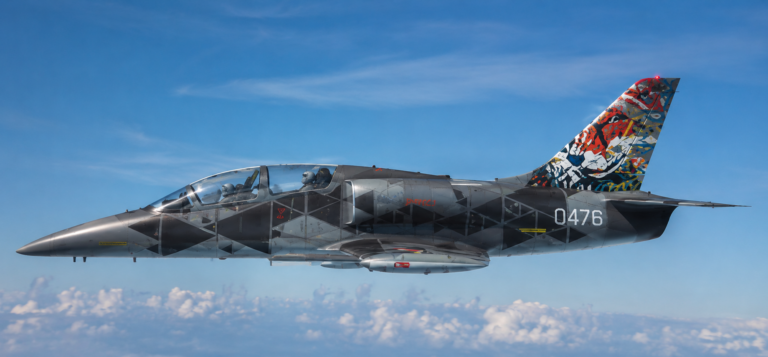
Photo credit: Adobe Stock, Vera Krehackova
About the Author