Phoenix Mission System
The Phoenix Mission System is not limited to aircraft integration. Through targeted international collaboration, SiNAB is exploring how adaptable mission capability can support air, land and distributed operational environments.
Australian aerospace and defence company SiNAB is expanding the global application of its Phoenix Mission System through a growing network of specialist partners across the UK, Europe, North America, the GCC states, and Asia-Pacific.
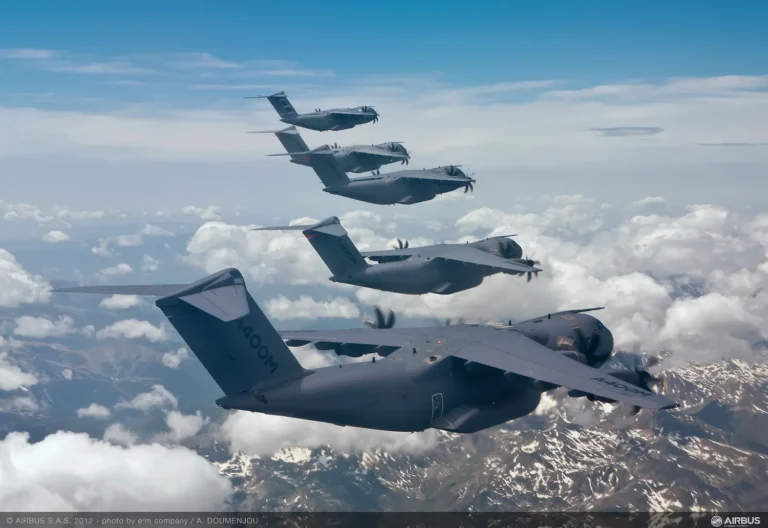
Designed to support Counter-UAS, ISR, targeting and tactical communications missions, the Phoenix Mission System is delivered through Phoenix 10 and Phoenix 5. The modular, aircraft-agnostic architecture enables carriage by platforms already in service, reducing the time, cost and complexity traditionally associated with platform-specific integration and modification programs.
As defence and security environments become increasingly dynamic, operators are seeking capability that can be deployed rapidly, incorporated efficiently and adapted across evolving mission requirements. For SiNAB, this demand is shaping both the evolution of Phoenix and the company’s international collaboration strategy.
Recent agreements with UK-based ISTEC and Fering highlight two distinct but complementary pathways for extending the operational relevance of the Phoenix Mission System.
ISTEC brings specialist expertise in weapon mounts, integration and mission system support. Its buffered softmount technology reduces peak recoil forces while maintaining full weapon functionality, providing a stable platform for crew-served weapon operations. For SiNAB, the collaboration supports the continued development of integrated airborne mission capability across targeting, ISR, Counter-UAS and tactical communications roles.
The collaboration with Fering signals an equally significant expansion pathway: the exploration of Phoenix in relation to electric vehicles.
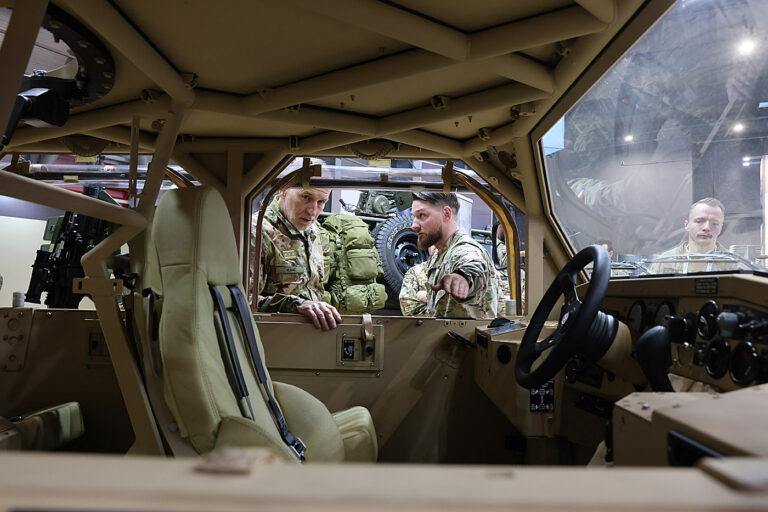
Fering develops ultra-lightweight, modular vehicles engineered for extreme endurance and operation in demanding environments. The partnership enables SiNAB to explore how Phoenix can move beyond aircraft-only applications to support distributed, mobile and platform-adaptable mission environments.
This represents an important evolution for the Phoenix Mission System. Future operational environments are unlikely to be defined by a single platform type, with defence and security users increasingly seeking capability that can operate across air, land and distributed mission architectures.
Together, the ISTEC and Fering collaborations demonstrate how SiNAB is building an ecosystem around Phoenix rather than positioning it as a standalone product. Each partnership contributes specialist capability that helps accelerate integration, expand operational use cases and support real-world deployment pathways.

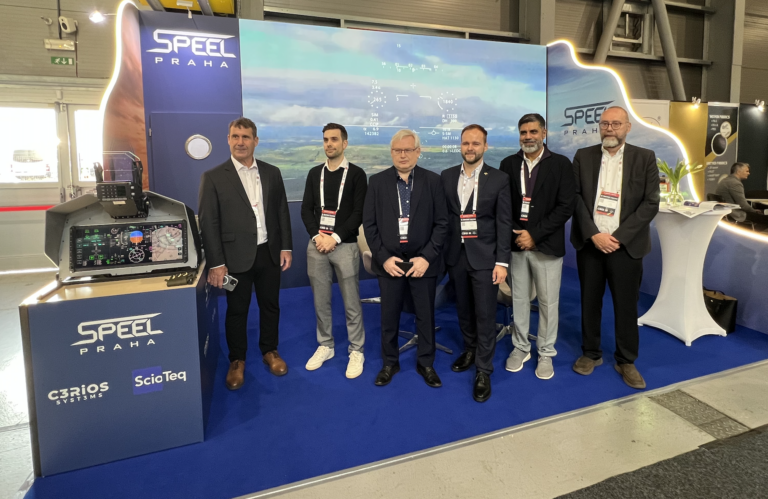
Alongside established partnerships with Omnipol in Europe and RAVN in North America, SiNAB continues to expand its international network to support the advancement of global mission capability through the Phoenix Mission System. Recent growth in Europe includes an agreement with Germany-based T-aiR, led by aviation professional Tom Reinert, who serves as SiNAB’s Representative and Operational Advisor for Western Europe, strengthening engagement with customers, partners and industry stakeholders across the region.
Reinert brings extensive military and civil aviation experience, including operational military flying, flight test and training expertise, providing valuable operational insight as SiNAB continues to expand its European presence.
As operators continue to prioritise mission adaptability, integration speed and operational relevance, the Phoenix Mission System is positioning Australian innovation within the next generation of global defence capability.
About the Author